
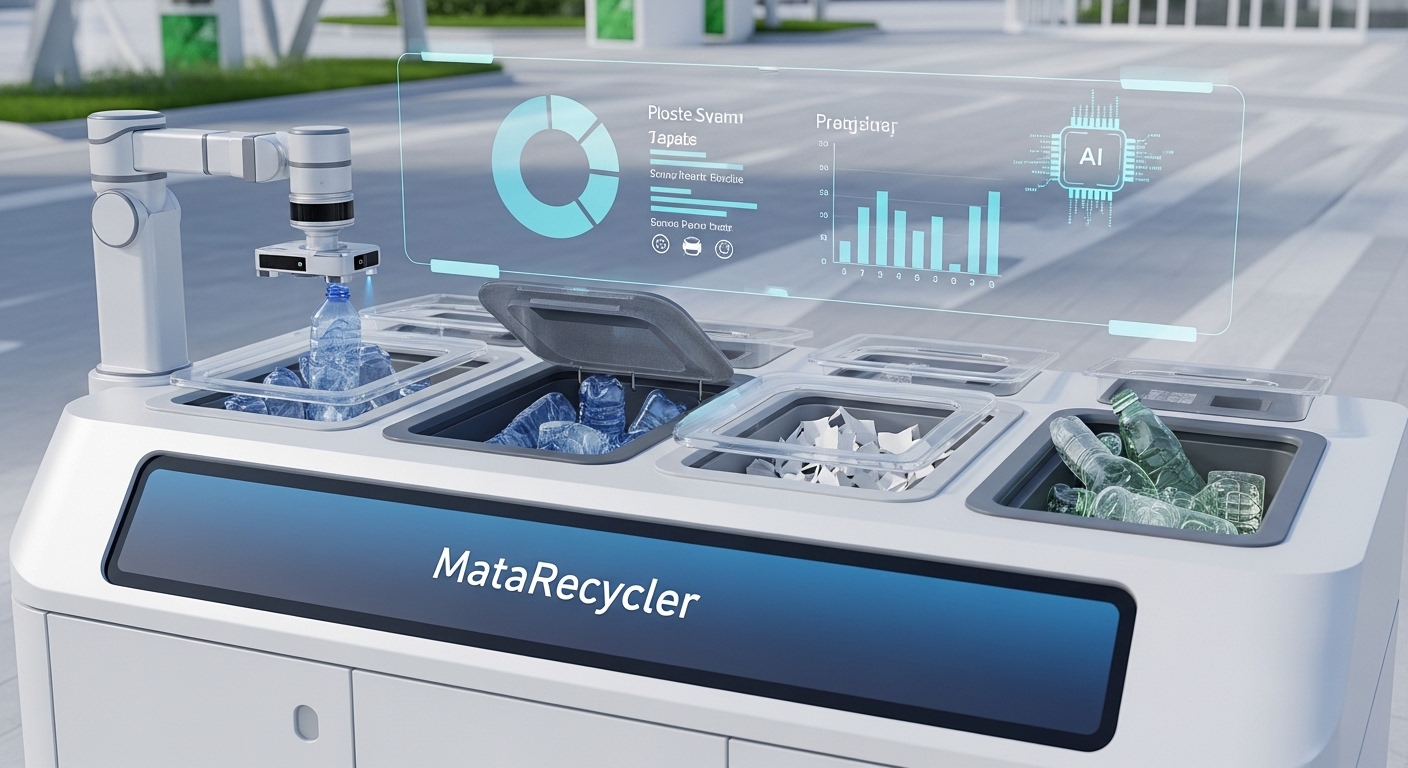

Welcome to the future of waste management with MataRecycler. As cities grow and environmental concerns escalate, innovative solutions are more crucial than ever. Enter MataRecycler—a cutting-edge system that leverages artificial intelligence to redefine how we handle our waste. This smart technology not only makes recycling easier but also enhances community engagement in sustainability efforts. Imagine a world where your trash is sorted automatically, contributing directly to a cleaner planet. Let’s dive into what makes MataRecycler an essential tool for modern cities and communities striving for smarter, greener living.
How Does MataRecycler Work?
MataRecycler operates on advanced AI algorithms that streamline the waste sorting process. It uses computer vision technology to identify different types of materials, such as plastics, metals, and organic waste.
Once the waste is collected, sensors analyze its composition in real-time. This data helps determine how each item should be processed or recycled. The system can even predict trends in waste production based on historical data.
Integration with smart bins allows users to receive notifications about optimal disposal practices. Residents are encouraged to engage actively by learning what can be recycled and when.
Furthermore, MataRecycler connects various stakeholders—governments, businesses, and residents—to create a cohesive approach toward responsible waste management. By harnessing IoT capabilities and machine learning insights, it continuously improves its performance over time.
Benefits of Using MataRecycler
MataRecycler offers a host of benefits that revolutionize waste management. First, its AI-driven technology enhances sorting accuracy. This means recyclables are more likely to be processed correctly, reducing contamination rates.
The system also promotes efficiency by optimizing collection routes. This minimizes fuel use and operational costs for municipalities, making it a win-win situation for both the environment and local budgets.
Community engagement is another strong point. Users can track their recycling habits via an app, fostering awareness about waste reduction practices.
Additionally, MataRecycler encourages responsible disposal through real-time notifications about drop-off locations or pick-up schedules. Such ease of access makes participation effortless for everyone involved.
The data collected can inform future policies on waste management strategies, leading to smarter city planning focused on sustainability.
Implementation of MataRecycler in Cities and Communities
Implementing MataRecycler in cities and communities involves a collaborative effort between local governments, waste management agencies, and residents. The process begins with thorough assessments of existing waste management practices. Understanding specific community needs is crucial.
Next, strategic planning is essential for integrating the smart system into current infrastructure. This includes placing AI-enabled bins in high-traffic areas to maximize efficiency. Community engagement plays a critical role in ensuring successful adoption.
Training programs educate residents on how to use MataRecycler effectively. These initiatives foster awareness about recycling benefits while promoting responsible disposal habits.
Pilot projects often precede full-scale implementation, allowing stakeholders to identify potential hurdles early on. Collecting feedback helps refine operations and improve user experience continuously.
As communities embrace this innovative solution, they pave the way for smarter waste management that aligns with sustainability goals and enhances urban living standards.
Impact on the Environment and Waste Management Industry
MataRecycler transforms the landscape of waste management. By leveraging AI, it optimizes recycling processes and reduces landfill overflow. This innovation minimizes environmental footprints significantly.
The system analyzes waste patterns in real-time, allowing municipalities to adjust collection routes and times effectively. With smarter logistics, carbon emissions from waste transport are lowered.
Moreover, MataRecycler facilitates better sorting at the source. Users become proactive recyclers rather than passive participants in a flawed system. Enhanced education on proper disposal methods is a natural byproduct of this engagement.
The technology also encourages circular economy principles within communities. As more materials get recycled efficiently, demand for raw materials decreases.
In turn, industries begin to shift towards sustainable practices driven by consumer expectations shaped by these advancements in waste management solutions like MataRecycler. The ripple effect fosters environmental responsibility across various sectors while paving the way for greener urban living spaces.
Potential Challenges and Solutions
MataRecycler faces several challenges as it aims to revolutionize waste management. One significant hurdle is public acceptance. Educating communities about the system’s benefits is crucial for successful implementation.
Another challenge lies in integrating existing infrastructure with advanced technology. Many cities have outdated systems that may not be compatible with MataRecycler’s AI capabilities. Collaborating with local governments can pave the way for tailored solutions and smooth transitions.
Data privacy also poses concerns, especially when gathering information on waste patterns. Ensuring robust security measures will build trust among users and stakeholders alike.
Funding remains a critical factor. Innovative financing models or partnerships with private entities could provide necessary resources without burdening taxpayers, ensuring sustainability while enhancing community engagement in environmental efforts.
Future Developments and Expansion Plans
MataRecycler is poised for exciting advancements in the coming years. The team behind this innovative system is constantly researching new technologies to enhance waste processing efficiency.
One key area of focus is integrating smart sensors that can analyze waste composition in real-time. This innovation will allow for more precise sorting and recycling, reducing contamination rates significantly.
Furthermore, expansion plans include partnerships with local governments and businesses to implement MataRecycler in underserved areas. By collaborating with community stakeholders, they aim to foster a culture of sustainability.
Another exciting development involves leveraging machine learning algorithms to predict waste generation patterns. This capability could optimize collection routes and schedules, making operations even more efficient while saving resources.
The future looks bright as MataRecycler aims not just for growth but also for creating smarter cities through advanced waste management solutions. Each step taken will pave the way toward a cleaner planet.
Conclusion
MataRecycler represents a significant advancement in waste management technology. By leveraging artificial intelligence, it transforms the way cities and communities handle waste. Its innovative approach not only streamlines collection processes but also enhances recycling rates.
The system’s ability to sort materials intelligently reduces contamination and ensures that recyclable items are processed correctly. This means less waste ends up in landfills, which is crucial for environmental sustainability. The positive impact on local ecosystems cannot be overstated.
As more cities adopt MataRecycler, we can expect a shift towards smarter, cleaner urban living environments. While challenges may arise during implementation—such as initial costs or public education—the benefits far outweigh these hurdles.
Looking ahead, MataRecycler plans to expand its reach further into rural areas and integrate with other smart city technologies. With ongoing developments in machine learning and AI capabilities, the future looks promising for this innovative solution in the fight against waste pollution.
The journey of transforming our relationship with trash has just begun, thanks to MataRecycler’s cutting-edge technology.