
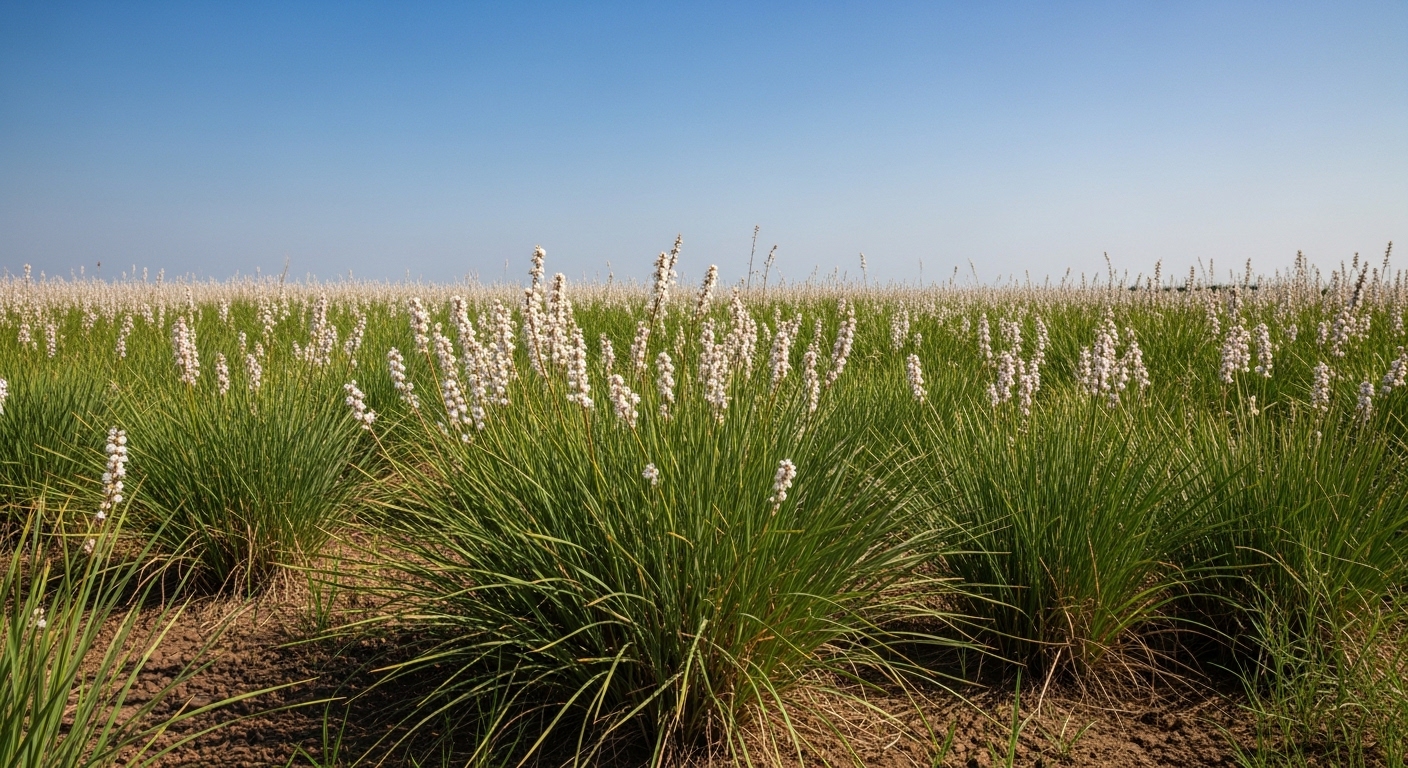
Nature has a way of surprising us with its beauty and diversity. One stunning example is ракитовица, commonly known as Tamarix. This remarkable plant not only graces landscapes with its delicate flowers but also carries significant ecological perks that benefit the environment. If you’re looking to enhance your garden or landscape while contributing positively to nature, ракитовица might just be the perfect addition. Let’s dive deeper into what makes this plant so special and why it deserves a spot in your green space!
History and origin of Tamarix
Tamarix, also known as ракитовица, has a rich history that dates back to ancient civilizations. Originating from coastal regions of Europe, Asia, and Africa, it was valued for its hardiness and adaptability.
Historically, Tamarix was used by various cultures for erosion control along riverbanks and coastlines. Its ability to thrive in saline soils made it a preferred choice in arid environments.



The plant’s delicate pink flowers have captured the attention of gardeners throughout time. Ancient Greeks even cultivated it not only for beauty but also for its practical uses.
Over the centuries, Tamarix spread across continents through trade routes and exploration. Today, it’s recognized globally not just for its ecological benefits but also for enhancing landscapes with elegance. This enduring journey showcases how a simple plant can weave itself into the fabric of human history while providing vital environmental support.
Species and characteristics of Tamarix
Tamarix, commonly known as ракитовица, comprises several species that thrive in diverse environments. These evergreen or deciduous shrubs can reach heights of 1 to 6 meters.
Their slender branches are often adorned with tiny, scale-like leaves that give them a delicate appearance. The flowers bloom in clusters, exhibiting shades of pink and white during late spring and summer.
One noteworthy characteristic is their ability to tolerate salinity and drought. This makes Tamarix particularly resilient in challenging conditions where other plants may struggle.
Different species offer varying growth habits and flower colors. Some are more compact, while others spread wider, providing versatility for landscaping projects.
The bark texture also varies among the species; it can be smooth or rough depending on age and environmental factors. Each type adds its unique charm to gardens or natural settings.
Ecological importance of Tamarix
Tamarix, or ракитовица, plays a crucial role in maintaining ecological balance. Its extensive root system aids in soil stabilization, preventing erosion along riverbanks and coastal areas.
This hardy plant is also vital for water conservation. Tamarix has the ability to thrive in saline environments, helping improve soil quality and making previously uninhabitable land suitable for other plants.
Additionally, ракитовица provides essential habitat for various wildlife species. Birds often nest among its dense foliage, while insects find refuge in its blossoms. This interaction supports biodiversity within ecosystems.
The plant’s capacity to absorb excess nutrients makes it beneficial for wetlands and aquatic systems as well. By filtering pollutants from water sources, Tamarix contributes to healthier surroundings.
With these advantages, incorporating ракитовица into landscapes can enhance both environmental health and resilience against climate change impacts.
Decorative uses of Tamarix in landscaping and gardening
Tamarix, or ракитовица, brings a distinctive charm to any garden. Its delicate pink flowers create a stunning visual display from spring through summer. This vibrant bloom can easily become the focal point in landscaping designs.
Beyond its beauty, Tamarix thrives in challenging conditions. It flourishes in sandy soils and tolerates drought well, making it perfect for xeriscaping projects. Gardeners appreciate its adaptability and resilience.
In addition to being a standalone specimen, ракитовица pairs beautifully with other plants. Consider planting it alongside ornamental grasses or low-maintenance perennials for added texture and color contrast.
Its fine foliage provides an elegant softness that balances bolder landscape features. Additionally, Tamarix can be utilized as a natural privacy screen or windbreak due to its bushy growth habit.
This plant not only enhances aesthetic appeal but also invites pollinators into the garden ecosystem, creating a lively atmosphere filled with activity.
How to grow and care for Tamarix plants
Growing Tamarix, or ракитовица, is quite rewarding. These hardy plants thrive in various conditions. They prefer well-drained soil and can tolerate saline environments, making them ideal for coastal gardens.
When planting, choose a sunny spot to allow maximum light exposure. Space the seedlings adequately; they can grow wide and tall over time. Regular watering is essential during their early stages but reduce this as they mature.
Tamarix requires minimal pruning. However, removing dead or damaged branches encourages healthier growth. If you notice any pests such as aphids or spider mites, treat them promptly with organic insecticides.
Fertilizing isn’t necessary but can promote lush foliage if desired. Use a balanced fertilizer once in spring for an extra boost. With the right care, your ракитовица will flourish and bring beauty to your garden for years to come!
Why ракитовица is a valuable addition to any garden or landscape
The ракитовица, or Tamarix, offers a multitude of benefits that make it an exceptional addition to any garden or landscape. Its unique beauty can enhance visual interest with delicate pink flowers and feathery foliage. This plant not only serves as an attractive ornamental feature but also plays a crucial ecological role.
Tamarix is resilient and thrives in various conditions, including coastal areas and drought-prone regions. Its ability to tolerate saline soils makes it ideal for challenging environments where other plants may struggle. Moreover, the deep-root system of ракитовица helps prevent soil erosion while improving soil structure.
In landscaping design, Tamarix works beautifully as a focal point or backdrop in gardens. It can be used effectively in xeriscaping projects due to its low water requirements once established. The adaptability of this species allows gardeners to implement it seamlessly into diverse planting schemes.
Additionally, ракитовица attracts birds and pollinators like bees and butterflies, contributing positively to local biodiversity. By incorporating this beautiful shrub into your outdoor space, you not only enhance its aesthetic appeal but also support the surrounding ecosystem.
Choosing ракитовица for your garden means embracing both ecological responsibility and decorative elegance—making it an invaluable choice for anyone looking to enrich their landscape experience.